Malvern is one of Adelaide’s most distinguished suburbs and has an extraordinary collection of architectural heritage. The area represents over a century of Adelaide’s finest residential design. Yet, as family needs evolve and modern lifestyles demand greater flexibility, many homeowners face the challenge of adapting these heritage properties for contemporary living without compromising their historical integrity.
Extending a home in Malvern, South Australia, requires careful consideration of preservation and progression. Success lies not in attempting to replicate the past but in creating a thoughtful dialogue between old and new that enhances the property’s heritage value and functionality for modern family life.
Maintaining Malvern’s architectural character
Malvern’s reputation as a premier residential suburb was established during the late 19th-century land boom. This period of prosperity produced the distinctive architectural styles that continue to define the suburb today.
Victorian homes, constructed during the gold rush era, showcase the period’s prosperity through ornate brickwork, decorative cast iron lacework, and elaborate internal features, including stained glass windows and ornate fireplaces. These properties often feature solid brick construction and formal room arrangements that reflected the social customs of their time.
The Edwardian period brought a shift toward more relaxed living, which was evident in homes with red brick construction, bay windows, and timber fretwork replacing Victorian ironwork. This architectural evolution demonstrates how building styles have always adapted to changing lifestyles. Modern home extensions continue this tradition, incorporating contemporary materials and technologies while respecting the established architectural framework.
Navigating Malvern’s heritage regulations
Most Malvern properties often have heritage overlays, which protect the suburb’s architectural legacy. Rather than viewing these regulations as restrictions, they can be used as design parameters that guide thoughtful development.
The heritage framework typically requires planning requirements for exterior alterations, new structures visible from the street, and the installation of services like solar panels or air conditioning units. However, internal modifications generally can proceed without planning consent, creating opportunities for significant lifestyle improvements within the existing envelope.
The key principle governing heritage extensions emphasises that new additions should be “readily identifiable as new works” while respecting the original building’s significance. This approach liberates designers from attempting imitated reproductions, instead encouraging honest contemporary design that complements rather than competes with the heritage structure.
Design philosophies for successful integration
Three primary approaches guide successful heritage home extensions in Malvern, each offering distinct advantages for different properties and family needs.
- Complementary extensions create visual harmony by echoing key elements of the original building. This might involve matching materials, proportions, or architectural details to achieve seamless integration. This approach works particularly well for properties where the heritage character extends throughout the site or where maintaining a unified aesthetic is paramount.
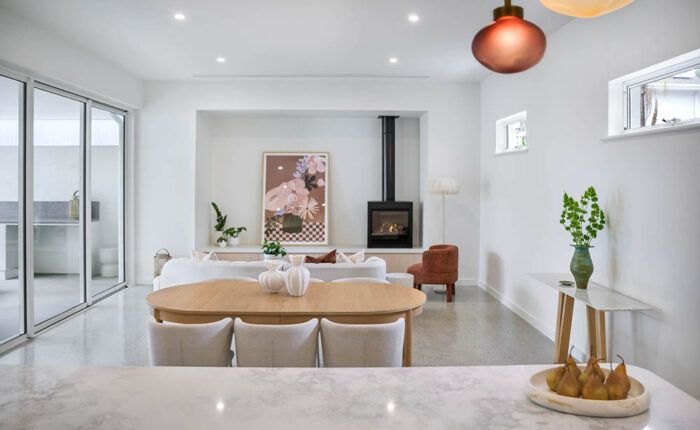
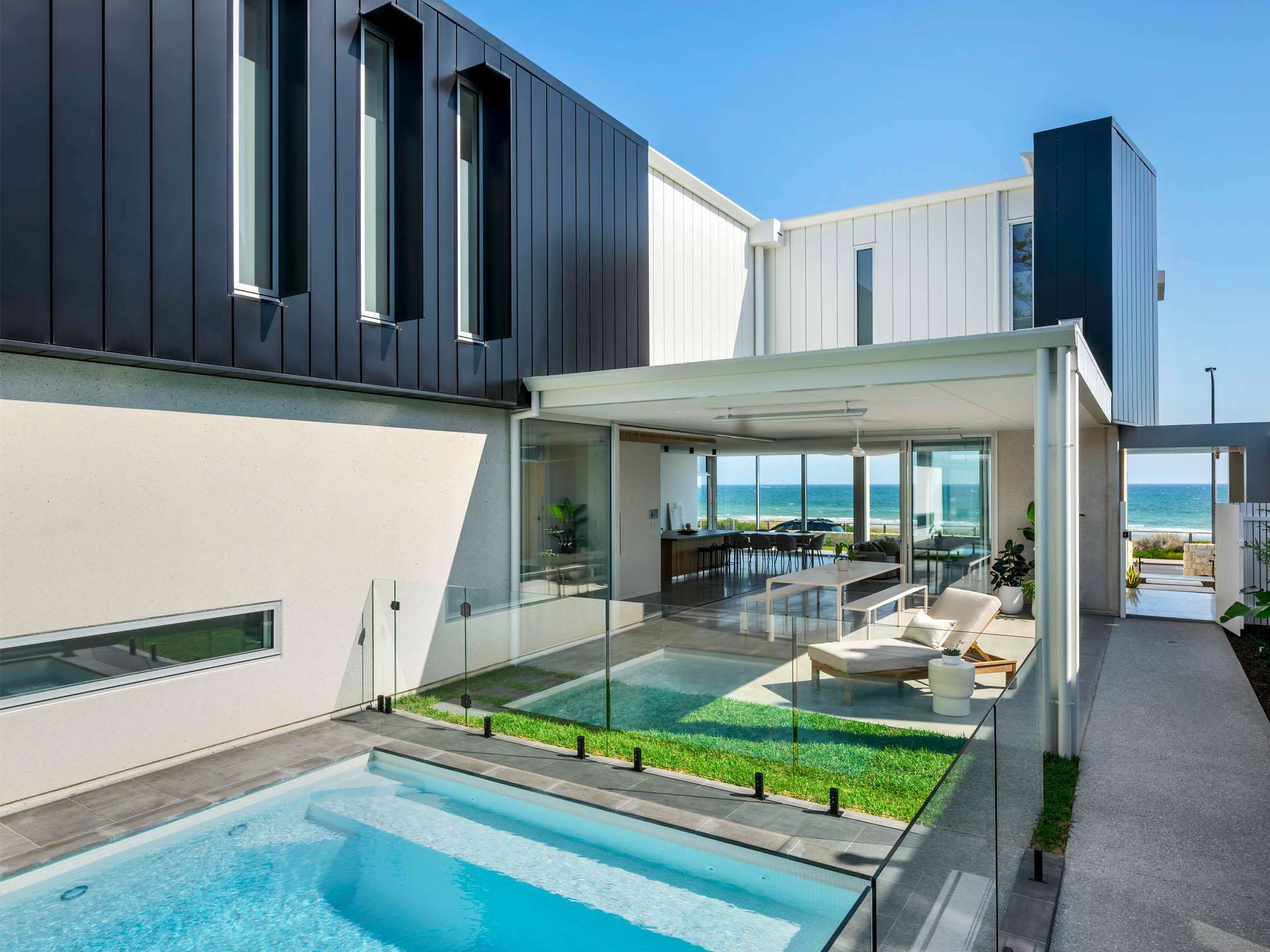
- Contrasting extensions embrace contemporary design to create a deliberate dialogue between old and new. This philosophy often produces the most dramatic transformations, celebrating both the heritage building’s character and the possibilities of modern living. The contrasting approach frequently involves preserving the heritage street frontage while adding bold contemporary elements at the rear of the property.
- The emerging “Modern Heritage” aesthetic represents a refined middle ground, characterised by clean lines and simplified forms that complement rather than compete with period architecture. This approach has evolved into a recognised design discipline with its own material palette and proportional systems.
Addressing contemporary family needs
Modern families require homes that adapt to changing circumstances and diverse activities. Extensions can provide crucial additional bedrooms for growing families, dedicated home offices responding to increased remote work, and flexible spaces that serve multiple functions.
The recent shift toward home-based work has made private, quiet spaces essential rather than optional. Loft conversions or purpose-built office areas can provide professional environments without compromising family areas. Similarly, multi-generational living arrangements increasingly common in Australian families may require separate guest suites or adaptable spaces that can function independently when needed.
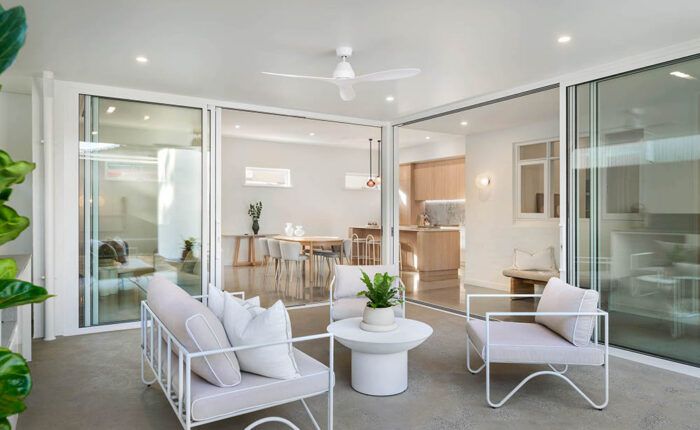
The seamless indoor-outdoor connection remains a hallmark of contemporary Australian living. Covered outdoor rooms, level transitions between interior and exterior spaces, and landscaping that extends interior design themes outdoors can effectively double usable living areas during much of the year.
Integrating modern technologies
Heritage properties present unique challenges for incorporating contemporary conveniences, particularly smart home technologies and sustainable systems. However, creative solutions exist for discreetly integrating these features without compromising historical authenticity.
Energy efficiency improvements might include high-performance insulation in new sections, energy-efficient windows with heritage-appropriate profiles, and smart mechanical and electrical systems that respond to occupancy and weather conditions. Solar panels and other renewable energy systems require careful positioning to remain invisible from street view while maximising performance.
Choosing a home extension builder you can trust
Successful heritage extension projects typically unfold through several stages, beginning with an initial consultation to understand the property’s constraints, opportunities, and the family’s needs. Concept development follows, creating detailed designs that balance heritage requirements with contemporary functionality.
The team at BTF Constructions are specialists who understand the unique challenges of working within established architectural frameworks and planning conditions associated with homes that are within character overlays. We’re here to make sure your home extension is a straightforward process.
Well-executed heritage extensions create lasting value through enhanced functionality, improved sustainability, and continued relevance for future generations. By respecting Malvern’s architectural legacy while embracing contemporary needs, these projects ensure that heritage properties remain vital, desirable homes rather than museum pieces.
The most successful extensions recognise that heritage buildings have always evolved to meet changing needs. Today’s additions, executed with skill and sensitivity, will themselves become part of these properties’ continuing stories, contributing to rather than detracting from their enduring appeal.